
Tips To Reduce Eye Irritation During Allergy Season
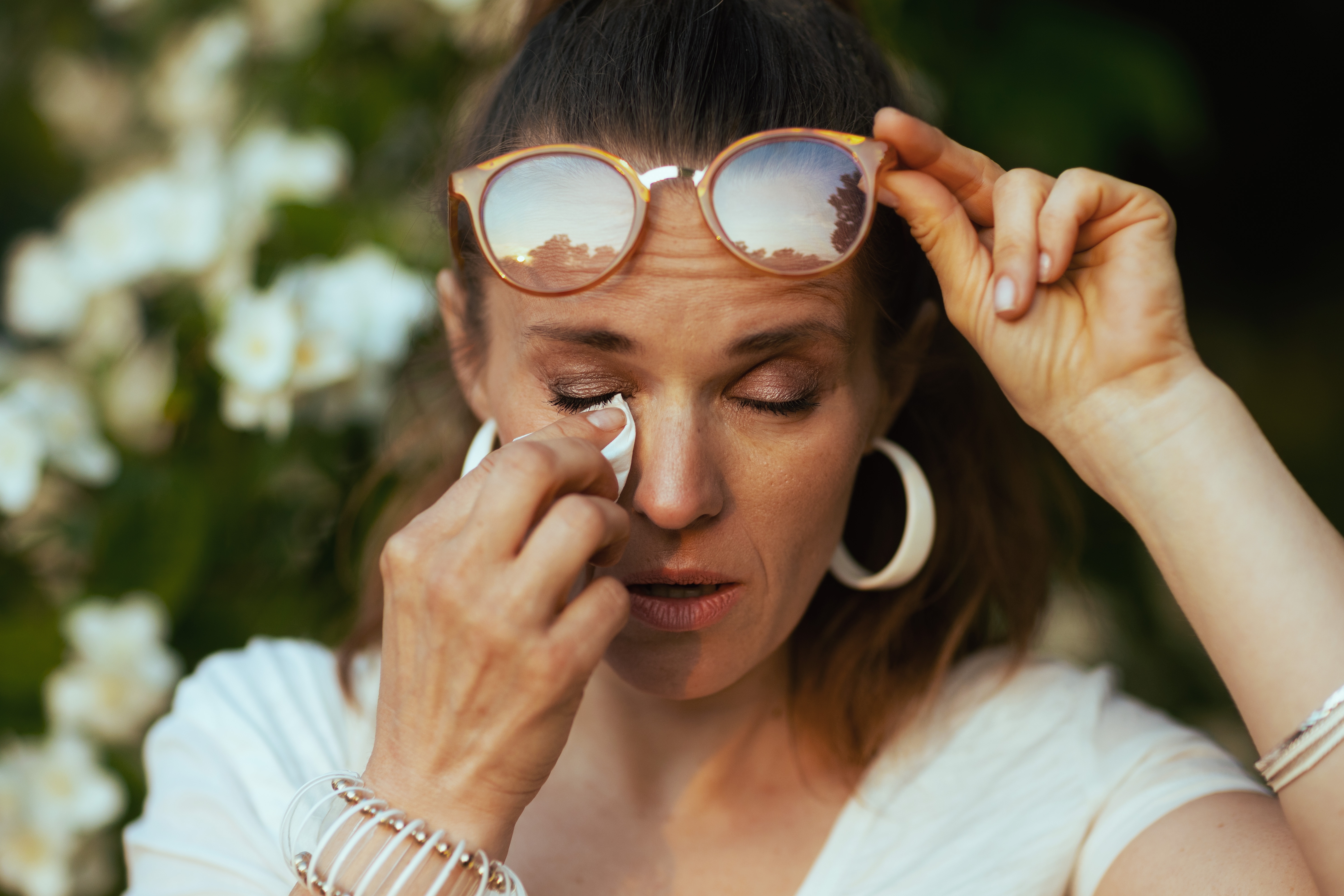
Allergy season can make your eyes feel itchy, watery, red, and uncomfortable. Pollen, dust, and other airborne irritants often trigger symptoms that interfere with work, driving, and daily routines. The good news is that a few simple habits can help reduce eye irritation during allergy season and protect your overall eye health.
Know What Triggers Your Symptoms
Seasonal eye allergies are often caused by pollen from trees, grass, and weeds. When these allergens come in contact with your eyes, they can trigger inflammation that leads to itching, burning, tearing, and puffiness. If your symptoms seem worse at certain times of day or after spending time outside, airborne allergens may be the cause. Paying attention to when symptoms flare up can help you take the right steps before irritation becomes more severe.
Keep Allergens Away From Your Eyes
One of the best ways to reduce eye irritation is to limit exposure to the allergens causing the problem. That does not mean staying indoors all season, but it does help to be more careful during high pollen days.
- Wear sunglasses outdoors to help shield your eyes from pollen
- Keep windows closed at home and in the car when pollen counts are high
- Wash your hands often and avoid rubbing your eyes
- Rinse your face and eyelids after spending time outside
These small changes can make a noticeable difference, especially during peak allergy season.
Use Artificial Tears For Relief
Lubricating eye drops, often called artificial tears, can help flush allergens from the eye’s surface while keeping your eyes more comfortable. They may also reduce dryness, which can make allergy symptoms feel worse.
Preservative-free drops are often a good option if you need to use them multiple times throughout the day. Avoid using redness-reducing drops too often, since they may cause rebound redness over time.
Change Your Contact Lens Habits
If you wear contact lenses, allergy season may feel especially frustrating. Lenses can collect allergens and make irritation worse. Some patients do better by switching to daily disposable lenses during allergy season, while others may need to wear glasses more often until symptoms improve.
It is also important to clean and replace your lenses exactly as directed. If your eyes stay irritated, a contact lens exam can help determine whether your current lenses are still the best fit.
Manage Indoor Air Quality
Outdoor allergens are common, but indoor air can also affect your comfort. Dust, pet dander, and mold can keep your eyes irritated even after you come inside. Using clean air filters, vacuuming regularly, and washing bedding often can help reduce allergen buildup indoors.
A clean environment supports better comfort for your eyes and may reduce the need for frequent symptom relief.
Know When To Schedule An Eye Exam
Not all red or irritated eyes are caused by allergies. Dry eye, infections, and other eye conditions can cause similar symptoms. If your irritation is persistent, painful, or affecting your vision, it is important to have your eyes evaluated.
Schedule an eye exam with Dr. Martin Hyman Optometrist to get expert care for allergy-related eye irritation. Visit our office in Los Angeles, California, or call (310) 208-3913 to book an appointment today.


Our Services
Contact Info
Hours of Operation
- Monday 9:00 am - 4:00 pm
- Tuesday 9:00 am - 4:00 pm
- Wednesday 9:00 am - 4:00 pm
- Thursday 10:00 am - 4:00 pm
- Friday 10:00 am - 4:00 pm
- Saturday By Appointment Only
- Sunday Closed
© 2026 Dr. Martin Hyman Optometrist. All rights Reserved. Accessibility Statement - Privacy Policy - Sitemap
Powered by:
